

Improving Home Security With Home CCTV Installation
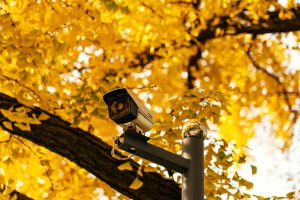
There’s a noticeable shift happening across UK neighbourhoods. More people are fitting video doorbells, checking camera feeds from their phones, and thinking more carefully about how secure their homes really are. Some of that comes down to convenience. Some of it is peace of mind. And some of it is simply reacting to the reality that home security has changed quite a bit over the last decade.
A sturdy lock and an outdoor light still matter, of course. But modern home security now leans heavily on visibility. Knowing what’s happening outside your property, whether you’re upstairs or away for the weekend, changes how protected a home feels.
That’s where home CCTV installation comes in. Not as a dramatic, high-tech upgrade reserved for large properties, but as a practical layer of everyday security that fits naturally into modern homes across the UK.
Why more UK homeowners are installing CCTV
The perception of CCTV has shifted. Years ago, domestic camera systems often felt excessive or expensive. Today, they’re common enough that most streets will have at least a few visible cameras pointing towards driveways, front gardens, or side entrances.
Part of that comes down to affordability. Another part is accessibility. Wireless systems, app control, cloud storage, and clearer image quality have made CCTV easier to manage than older analogue setups ever were.
But there’s another factor too. People increasingly want reassurance, not just evidence after something has happened.
The latest figures from the Office for National Statistics show that theft-related crime still affects households across England and Wales, particularly opportunistic offences such as vehicle crime and burglary attempts. Visible CCTV can act as a deterrent before an incident develops.
And deterrence matters more than many people realise.
A camera mounted clearly near an entrance or driveway often changes behaviour immediately. Opportunistic intruders tend to favour easier targets with fewer obstacles, fewer lights, and less chance of being identified.
That doesn’t mean CCTV makes a property untouchable. No security measure does. What it does do is reduce vulnerability.
CCTV works best when it’s part of a wider approach
One mistake homeowners sometimes make is expecting cameras to solve every security issue on their own.
In reality, CCTV is most effective when it supports other sensible security habits. Think of it as one part of a wider setup rather than a standalone solution.
A typical home security approach might include:
- Good exterior lighting
- Secure locks and reinforced entry points
- Visible CCTV cameras
- Motion alerts
- Video doorbells
- Alarm systems
- Smart home automation
These layers work together. A motion-triggered light paired with a visible camera creates a much stronger deterrent than either measure alone.
It’s also worth thinking about how people actually move around your property. Side gates, rear gardens, garages, and poorly lit pathways are often more vulnerable than the front door itself. A camera covering a hidden access point can sometimes be more valuable than one focused solely on the driveway.
The biggest advantage is often peace of mind
People often talk about CCTV in terms of crime prevention, but there’s a quieter benefit that gets mentioned just as often by homeowners once a system is installed.
They simply feel more comfortable.
That reassurance can come from several small things:
- Checking deliveries while at work
- Seeing when children arrive home
- Monitoring elderly relatives visiting the property
- Watching over vehicles overnight
- Confirming whether unusual noises are actually a concern
It removes uncertainty.
That’s especially relevant during darker winter months in the UK, when many homeowners leave for work before sunrise and return after dark. Outdoor visibility drops significantly, and properties can feel more exposed during long evenings.
Modern systems with remote access mean you no longer have to be physically present to keep an eye on things. Most current CCTV systems allow live viewing through a smartphone app, with motion notifications appearing almost instantly.
Used sensibly, it becomes less about constant monitoring and more about having the option to check in when needed.
Choosing the right places for cameras
Camera placement has a bigger impact than the number of cameras installed.
A smaller system positioned properly will usually outperform a larger system fitted without much planning.
For most UK homes, the key areas tend to include:
Front entrances
This remains the most common starting point. Front-facing cameras capture visitors, deliveries, and activity around entry doors.
A camera here should ideally provide a clear view of faces without being positioned too high. Cameras mounted excessively high often capture the tops of heads rather than useful identification footage.
Driveways and vehicles
Vehicle-related crime remains a concern in many areas, particularly keyless car theft. Cameras overlooking driveways can help monitor suspicious activity and provide useful evidence if incidents occur.
The Metropolitan Police regularly advises motorists to take additional precautions around vehicle security, especially with newer keyless-entry cars.
Side access points
Many burglars prefer less visible entry routes. Narrow side paths and gates can become weak points if they’re poorly lit or hidden from neighbouring properties.
A discreet but visible camera covering these areas can make a substantial difference.
Rear gardens
Rear access is frequently overlooked in domestic security planning. Yet back gardens often provide cover from public view.
For detached or semi-detached homes, rear cameras can help close an obvious security gap.
Wired vs wireless CCTV systems
This question comes up constantly, and the answer depends largely on the property itself.
Wireless systems are popular because installation is often simpler. They work well for many homes and usually integrate smoothly with smart devices.
Advantages include:
- Faster installation
- Flexible placement
- Easier expansion later
- Reduced cabling visibility
But wireless systems still rely on stable Wi-Fi coverage. Thick walls, larger homes, or poor router placement can create connectivity problems.
Wired systems remain popular because they’re generally more stable over long periods and less dependent on wireless signal strength. They’re particularly effective for larger properties or installations involving multiple cameras recording continuously.
There’s no universal “better” option. The right system is usually the one that suits the property layout and the homeowner’s priorities.
Night vision matters more than many buyers expect
A camera that performs well during daylight but struggles after sunset creates obvious limitations in the UK climate.
Good low-light performance is essential.
Modern infrared night vision has improved significantly over recent years, but image clarity still varies widely between systems. Poor-quality cameras often produce grainy or blurred footage once lighting conditions deteriorate.
That matters because many security incidents happen overnight or during darker hours.
When choosing a system, it’s worth paying close attention to:
- Night vision range
- Low-light colour capability
- Motion detection accuracy
- Resolution after dark
- Glare handling near streetlights
Even something as simple as nearby headlights can affect footage quality if the camera sensor struggles with exposure balance.
Smart features can be useful without becoming intrusive
One reason some homeowners hesitate about CCTV is the fear of turning their property into something overly technical or difficult to manage.
Fortunately, most modern systems are fairly straightforward once installed.
Features commonly available now include:
- Smartphone alerts
- Remote playback
- Cloud storage
- Motion zones
- Two-way audio
- Person detection
- Integration with smart home devices
The useful part is customisation.
For example, motion zones allow homeowners to ignore public pavements while still monitoring private driveways. That reduces unnecessary alerts and avoids endless notifications every time someone walks past the house.
Some systems also distinguish between people, vehicles, and animals, which can dramatically cut down on false alerts caused by foxes, cats, or swaying branches.
Not every household needs every feature. Simplicity is often better.
Privacy and CCTV laws in the UK
This is an area many homeowners understandably worry about.
In the UK, domestic CCTV use is generally allowed, but responsibilities increase if cameras capture footage beyond your private property boundary.
That includes areas such as:
- Public pavements
- Roads
- Neighbouring gardens
- Shared access paths
The Information Commissioner’s Office provides guidance explaining how data protection rules may apply to domestic CCTV systems.
In practical terms, homeowners should aim to:
- Position cameras responsibly
- Avoid unnecessary coverage of neighbouring properties
- Secure stored footage properly
- Use recordings only for legitimate security purposes
Most sensible installations avoid problems entirely. The key is proportionality.
Professional installation vs DIY fitting
DIY CCTV kits have improved considerably. For smaller properties, straightforward wireless systems can often be installed without professional help.
But installation quality still matters.
Poorly angled cameras, unreliable recording settings, weak Wi-Fi coverage, or incorrect storage configuration can reduce effectiveness significantly.
Professional installation tends to provide:
- Better camera positioning
- Cleaner cable management
- Stronger network setup
- Reliable recording configuration
- Advice tailored to the property
There’s also the simple fact that experienced installers usually spot vulnerabilities homeowners overlook.
That said, not every property requires a complex setup. A modest semi-detached home with a front driveway may only need two or three carefully positioned cameras to create effective coverage.
Storage options are worth considering carefully
People often focus heavily on camera quality and forget about footage storage until much later.
Most systems now offer either:
- Local storage
- Cloud storage
- A hybrid combination of both
Local storage typically uses hard drives or network video recorders (NVRs). This gives homeowners more direct control over footage and avoids monthly subscription fees.
Cloud storage provides remote backup and easier access but may involve ongoing costs.
There’s no single correct approach here either. Some homeowners prefer the simplicity of cloud access. Others want footage stored entirely within the property.
What matters most is reliability. Footage only becomes useful if it’s actually recorded and accessible when needed.
CCTV can support everyday life, not just emergencies
One of the more interesting changes in home CCTV usage is how often it now supports ordinary daily routines.
People use cameras to:
- Check whether parcels arrived safely
- Monitor tradespeople while away
- Keep an eye on pets
- Watch weather conditions around the property
- Confirm school pickups and arrivals
In many homes, CCTV quietly becomes part of day-to-day convenience rather than something associated solely with crime prevention.
That shift explains why installations continue rising across the UK. Cameras are no longer viewed purely as security equipment. They’ve become part of how people manage and monitor their homes generally.
Final thoughts
Home CCTV installation isn’t about creating fortress-like properties or constantly watching screens. At its best, it’s a practical tool that improves visibility, strengthens deterrence, and provides reassurance when homeowners need it most.
The right setup doesn’t have to be elaborate.
A few carefully positioned cameras, sensible lighting, and reliable recording can significantly improve how secure a property feels and functions. And in many cases, that confidence alone changes how people experience their homes.
Security is rarely about one dramatic upgrade. More often, it comes from a series of smaller, thoughtful decisions that work together over time.
CCTV simply happens to be one of the most effective of them.
improving-home-security-with-home-cctv-installation
